Showing posts with label autonomic-neuropathy. Show all posts

Saturday, 7 January 2012

Autonomic Neuropathy

Today's post comes via the New York Times Health Guide (see link below)and concerns a form of neuropathy that confuses many people. Basically, it's different to peripheral and other forms of neuropathy in that it affects functions of the body which are out of our control (like blood pressure, heart rate, bowel, bladder emptying and digestion amongst others). It really can turn your life on its head and is much more frequently seen in HIV patients than was previously thought to be the case. This is again because more and more people are living longer with the virus and progressive neuropathy. It has to be said that many of the symptoms of autonomic neuropathy can have other causes and it's easy to jump to conclusions. Your neurologist should be able to help you with an accurate diagnosis.

Autonomic Neuropathy

Autonomic neuropathy is a group of symptoms that occur when there is damage to the nerves that manage every day body functions such as blood pressure, heart rate, bowel and bladder emptying, and digestion.

Causes

Autonomic neuropathy is a form of peripheral neuropathy. It is a group of symptoms, not a specific disease. There are many causes.

Autonomic neuropathy involves damage to the nerves that run through a part of the peripheral nervous system. The peripheral nervous system includes the nerves used for communication to and from the brain and spinal cord (central nervous system) and all other parts of the body, including the internal organs, muscles, skin, and blood vessels.

Damage to the autonomic nerves affects the function of areas connected to the problem nerve. For example, damage to the nerves of the gastrointestinal tract makes it harder to move food during digestion (decreased gastric motility).

Autonomic neuropathy affects the nerves that regulate vital functions, including the heart muscle and smooth muscles.

Damage to the nerves supplying blood vessels causes problems with blood pressure and body temperature.

Autonomic neuropathy is associated with the following:
Alcoholic neuropathy
Diabetic neuropathy
Disorders involving scarring and hardening (sclerosis) tissues
Guillain Barre syndrome or other diseases that inflame nerves
HIV and AIDS
Inherited nerve disorders
Parkinson's disease
Surgery or injury involving the nerves
Use of anticholinergic medications

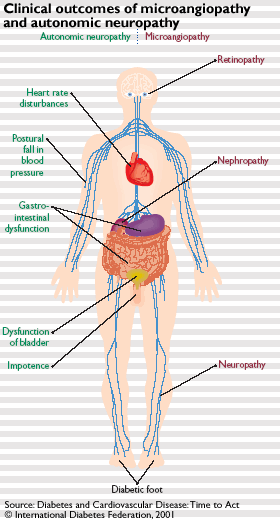
Symptoms vary depending on the nerves affected. They usually develop gradually over years. Symptoms may include:

Gastrointestinal tract
Constipation
Diarrhea
Feeling full after only a few bites (early satiety)
Nausea after eating
Swollen abdomen
Vomiting of undigested food

Heart and lungs
Blood pressure changes with position and causes dizziness when standing
Shortness of breath with activity or exercise

Urinary tract
Difficulty beginning to urinate
Feeling of incomplete bladder emptying
Urinary incontinence (overflow incontinence)

Other symptoms
Abnormal sweating
Heat intolerance brought on with activity and exercise
Male impotence and ejaculation changes in men
Vaginal dryness and orgasm difficulties in women
Weight loss without trying

Exams and Tests

The doctor will perform a physical exam. A neurological exam may show evidence of injury to other nerves. However, it is very difficult to directly test for autonomic nerve damage.

Signs of autonomic neuropathy include:
Abnormal sounds in the abdomen
Decrease of blood pressure upon standing up (postural hypotension)
Sluggish pupil reaction in the eye
Swollen belly (abdomen)
Swollen bladder

Other signs and symptoms that occasionally suggest a problem in the function of the autonomic nervous system include:
Difficulty swallowing
Excessive sweating
Irregular heart rhythms
High blood pressure
Rapid or slow heart rate

Special measurements of sweating and heart rate are called "autonomic testing" and can assist in diagnosis and treatment.

Other tests include:
Measurement of blood pressure lying down, sitting, and standing
Measurement of changes in heart rate
Upper GI
Esophagogastroduodenoscopy (EGD)
Isotope study
Voiding cystourethrogram (VCUG) or other tests of bladder function

Other tests for autonomic neuropathy are based on the suspected cause of the disorder, as suggested by the history, symptoms, and the way symptoms developed

Treatment

Treatment is supportive and may need to be long-term. Several treatments may be attempted before a successful one is found.

Various strategies may be used to reduce symptoms of light-headedness or dizziness when standing. These include:
Extra salt in the diet or taking salt tablets to increase fluid volume in blood vessels
Fludrocortisone or similar medications to help your body retain salt and fluid
Sleeping with the head raised
Wearing elastic stockings

Treatments for reduced gastric motility include:
Medications that increase gastric motility (such as Reglan)
Sleeping with the head raised
Small, frequent meals

Diarrhea, constipation, bladder problems, and other symptoms are treated as appropriate. See: Bowel retraining and Neurogenic bladder for information about treatment of these conditions.

Phosphodiesterase type 5 (PDE-5) drugs, such as sildenafil (Viagra), vardenafil (Levitra), and tadalafil (Cialis) may be used for treating impotence. Discuss the use of these medications with your doctor.

Outlook (Prognosis)

The outcome varies. If the cause can be found and treated, there is a chance that the nerves may repair or regenerate. The symptoms may improve with treatment, or they may continue or get worse, even with treatment.

Most symptoms of autonomic neuropathy are uncomfortable, but they are rarely life threatening.

Possible Complications
Fluid or electrolyte imbalance such as low blood potassium (if excessive vomiting or diarrhea)
Injuries from falls (with postural dizziness)
Kidney failure (from urine backup)
Malnutrition
Psychological/social effects of impotence

When to Contact a Medical Professional

Call for an appointment with your health care provider if you have symptoms of autonomic neuropathy. Early symptoms might include:
Becoming faint or lightheaded when standing
Changes in bowel, bladder, or sexual function
Unexplained nausea and vomiting when eating

Early diagnosis and treatment increases the likelihood of controlling symptoms.

Prevention

Preventing or controlling disorders associated with autonomic neuropathy may reduce the risk. For example, diabetics should closely control blood sugar levels. Alcoholics should stop drinking.

http://health.nytimes.com/health/guides/disease/autonomic-neuropathy/overview.html

Friday, 20 May 2011

Autonomic Neuropathy - what's that?

You may hear or read the term 'autonomic neuropathy' and this may cause confusion. It causes a problem for doctors too because the symptoms are easily identifiable with a whole range of conditions and you may also have had some or all of them for some period of time before your peripheral neuropathy was diagnosed. For an general explanation, see the blog website (www.neuropathyandhiv.nl) and click on the Site in English button but this description from the New York Times of May 20th 2011 gives you a good idea of how it works.
Autonomic neuropathy is a group of symptoms that occur when there is damage to nerves that regulate blood pressure, heart rate, bowel and bladder emptying, digestion, and other body functions.


Autonomic neuropathy is a form of peripheral neuropathy. It is a group of symptoms, not a specific disease. There are many causes.

Autonomic neuropathy involves damage to the nerves that run through a part of the peripheral nervous system. The peripheral nervous system includes the nerves used for communication to and from the brain and spinal cord (central nervous system) and all other parts of the body, including the internal organs, muscles, skin, and blood vessels.

Damage to the autonomic nerves affects the function of areas connected to the problem nerve. For example, damage to the nerves of the gastrointestinal tract makes it harder to move food during digestion (decreased gastric motility).

Autonomic neuropathy affects the nerves that regulate vital functions, including the heart muscle and smooth muscles.

Damage to the nerves supplying blood vessels causes problems with blood pressure and body temperature.

Autonomic neuropathy is associated with the following:
Alcoholic neuropathy
Diabetic neuropathy
Disorders involving scarring and hardening (sclerosis) tissues
Guillain Barre syndrome or other diseases that inflame nerves
HIV and AIDS
Inherited nerve disorders
Parkinson's disease
Surgery or injury involving the nerves
Use of anticholinergic medications


Symptoms vary depending on the nerve(s) affected. They usually develop gradually over years.

Symptoms may include:

Digestive tract
Constipation
Diarrhea
Feeling full after only a few bites (early satiety)
Nausea after eating
Swollen abdomen
Unintentional loss of more than 5% of body weight
Vomiting of undigested food

Heart
Blood pressure changes with position
Dizziness that occurs when standing up

Urinary tract
Difficulty beginning to urinate
Feeling of incomplete bladder emptying
Urinary incontinence (overflow incontinence)

Other symptoms
Abnormal sweating
Fainting
Heat intolerance, induced by exercise
Male impotence


A medical history and general physical exam are critical. A brain and nervous system (neurological) examination may show evidence of injury to other nerves. However, it is very difficult to directly test for autonomic nerve damage.

Signs of autonomic neuropathy include:
Abnormal sounds in the abdomen, indicating decreased gastric movement (motility)
Decrease of blood pressure upon standing up (postural hypotension)
Sluggish pupil reaction in the eye
Swollen (distended) abdomen
Swollen (distended) bladder

Occasionally, other symptoms may indicate a problem in the function of the autonomic nervous system, including:
Difficulty swallowing
Excessive sweating
Irregular heart rhythms
High blood pressure
Rapid or slow heart rate

Special measurements of sweating and heart rate are called "autonomic testing" and can assist in diagnosis and treatment.

Other tests include:
Measurement of blood pressure lying down, sitting, and standing
Measurement of changes in heart rate
Upper GI
Esophagogastroduodenoscopy (EGD)
Isotope study
Voiding cystourethrogram (VCUG) or other tests of bladder function

Other tests for autonomic neuropathy are based on the suspected cause of the disorder, as suggested by the history, symptoms, and the way symptoms developed.

Treatment is supportive and may need to be long-term. Several treatments may be attempted before a successful one is found.

Various strategies may be used to reduce symptoms in the feet, legs, and arms. These include:
Florinef and salt tablets to increase fluid volume in blood vessels
Fludrocortisone or similar medications to reduce postural hypotension
Medications to help with salt and fluid retention
Proamatine to prevent a drop in blood pressure when standing
Sleeping with the head raised
Use of elastic stockings

Treatments for reduced gastric motility include:
Medications that increase gastric motility (such as Reglan)
Sleeping with the head raised
Small, frequent meals

Diarrhea, constipation, bladder problems, and other symptoms are treated as appropriate. These symptoms may respond poorly to treatment. Drugs that block bladder contractions may be used to help with urinary control problems.

Phosphodiesterase type 5 (PDE-5) drugs, such as sildenafil (Viagra), vardenafil (Levitra), and tadalafil (Cialis) are safe and effective for treating impotence in patients with diabetes.


The outcome varies. If the cause can be found and treated, there is a chance that the nerves may repair or regenerate. The symptoms may improve with treatment, or they may continue or get worse, even with treatment.

Most symptoms of autonomic neuropathy are uncomfortable, but they are rarely life-threatening.
http://health.nytimes.com/health/guides/disease/autonomic-neuropathy/overview.html