It seems almost too obvious to say that you should get some physiotherapy advice regarding exercise to help your neuropathy problems but it's not that easy. First of all, you have to be sure that the physiotherapist understands exactly what your problems are and doesn't advise exercises that will make things worse. That means good communication between yourself and all your medical advisers.
If you have more than one problem (for instance neuropathy and HIV), you already have at least two people to deal with; if you have other conditions as well, then it becomes very important that someone takes an holistic overview and distributes the right information to all concerned and that is never an automatic process, however logical you might think it is. Some one must be able to tell you if it is wise to do this that or the other, especially regarding your health. The GP is the obvious central point if he/she is willing.
Another problem is the self-discipline required to exercise regularly because one or two sessions will never achieve anything - you need a well constructed regime in order to feel the benefits after a period of time. If you're in pain, have had a bad night, are depressed, or just plain can't be bothered, then the last thing you want to do, are your exercises but it's worth the effort, not only for the body but for the mind too.
For all those reasons, videos like this one seem to me to be very helpful. Simple exercises that can be carried out at home, or at work, while you're doing something else - not too overwhelming and likely to bring results after a few weeks. Even if they don't, you know that they can't do you any harm and you'll at least have the feeling that you've tried. If more such videos were made available by physiotherapists or doctors, especially for older people, I think the success rates would justify the effort. After all, with a Youtube account and a webcam on your pc, you really can reach into people's homes and help people without the need for an appointment. Of course, someone will ask who's going to pay for it etc etc and then it won't happen. The days of free help for other people are long gone I'm afraid.
Tuesday, 31 May 2011


Monday, 30 May 2011
Feet first
An interesting and logical (to the non-medical reader) theory from sciencedaily.com as to why neuropathy attacks the feet first. If acted upon, it may lead to treatments being more specifically directed towards the mitochondria (the parts of the cells that generate energy) thus being more effective and likely to succeed. In short, since nerve cells are about a metre long, by the time mitochondria drift to the feet they are about three years old and have accumulated mutations. This could explain why neuropathies start with the feet.

Story Source:
The above story is reprinted (with editorial adaptations by ScienceDaily staff) from materials provided by Johns Hopkins Medical Institutions, via EurekAlert!, a service of AAAS.
Journal Reference:
1.Helmar C. Lehmann, Weiran Chen, Jasenka Borzan, Joseph L. Mankowski, Ahmet Höke. Mitochondrial dysfunction in distal axons contributes to human immunodeficiency virus sensory neuropathy. Annals of Neurology, 2011; 69 (1): 100 DOI: 10.1002/ana.22150

Feet First? Old Mitochondria Might Be Responsible for Neuropathy in the Extremities
ScienceDaily (Mar. 4, 2011) —
The burning, tingling pain of neuropathy may affect feet and hands before other body parts because the powerhouses of nerve cells that supply the extremities age and become dysfunctional as they complete the long journey to these areas, Johns Hopkins scientists suggest in a new study. The finding may eventually lead to new ways to fight neuropathy, a condition that often accompanies other diseases including HIV/AIDS, diabetes and circulatory disorders.
Neuropathies tend to hit the feet first, then travel up the legs. As they reach the knees, they often start affecting the hands. This painful condition tends to affect people who are older or taller more often than younger, shorter people. Though these patterns are typical of almost all cases of neuropathy, scientists have been stumped to explain why, says study leader Ahmet Hoke, M.D., Ph.D., a professor of neurology and neuroscience at the Johns Hopkins University School of Medicine.
He and his colleagues suspected that the reason might lie within mitochondria, the parts of cells that generate energy. While mitochondria for most cells in the body have a relatively quick turnover -- replacing themselves every month or so -- those in nerve cells often live much longer to accommodate the sometimes long journey from where a cell starts growing to where it ends. The nerve cells that supply the feet are about 3 to 4 feet long in a person of average height, Hoke explains. Consequently, the mitochondria in these nerve cells take about two to three years to travel from where the nerve originates near the spine to where it ends in the foot.
To investigate whether the aging process during this travel might affect mitochondria and lead to neuropathy, Hoke and his colleagues examined nerve samples taken during autopsies from 11 people who had HIV-associated neuropathy, 13 who had HIV but no neuropathy, and 11 HIV-negative people who had no signs of neuropathy at their deaths. The researchers took two matched samples from each person -- one from where the nerves originated near the spine and one from where the nerves ended near the foot.
They then examined the DNA from mitochondria in each nerve sample. Mitochondria have their own DNA that's separate from the DNA in a cell's nucleus.
The researchers report in the January Annals of Neurology that in patients with neuropathy, DNA from mitochondria in the nerve endings at the ankle had about a 30-fold increase in a type of mutation that deleted a piece of this DNA compared to mitochondrial DNA from near the spine. The difference in the same deletion mutation between the matched samples in people without neuropathy was about threefold.
Since mitochondria quit working upon a person's death, the scientists looked to a monkey model of HIV neuropathy to see whether these deficits affected mitochondrial function. Tests showed that the mitochondria from the ankles of these animals didn't function as well as those from near their spines, generating less energy and producing faulty proteins and damaging free radicals.
Hoke explains that as mitochondria make the trek from near the spine to the feet, their DNA accumulates mutations with age. These older mitochondria might be more vulnerable to the assaults that come with disease than younger mitochondria near the spine, leading older mitochondria to become dysfunctional first. The finding also explains why people who are older or taller are more susceptible to neuropathies, Hoke says.
"Our mitochondria age as we age, and they have even longer to travel in tall people," he says. "In people who are older or taller, these mitochondria in the longest nerves are in even worse shape by the time they reach the feet."
Hoke notes that if this discovery is confirmed for other types of neuropathy, it could lead to mitochondria-specific ways to treat this condition. For example, he says, doctors may eventually be able to give patients drugs that improve the function of older mitochondria, in turn improving the function of nerve cells and relieving pain.
Story Source:
The above story is reprinted (with editorial adaptations by ScienceDaily staff) from materials provided by Johns Hopkins Medical Institutions, via EurekAlert!, a service of AAAS.
Journal Reference:
1.Helmar C. Lehmann, Weiran Chen, Jasenka Borzan, Joseph L. Mankowski, Ahmet Höke. Mitochondrial dysfunction in distal axons contributes to human immunodeficiency virus sensory neuropathy. Annals of Neurology, 2011; 69 (1): 100 DOI: 10.1002/ana.22150
Sunday, 29 May 2011
How the doctors are trained to see it
A fascinating and well-balanced, training approach to (Neuropathic/HIV)pain for clinicians, including good avice on how to assess the patient's pain levels and causes. It's helpful too for the patient because many people arrive at the doctor's practice in some state of anxiety and find it difficult to tell their story. This helps you to structure your explanation and understand what the doctor is looking before making a proper diagnosis.
Personally, I always write things down before going to the doctor otherwise, I tend to forget important details but it's good advice as a general rule. This link helps you specify exactly what the problem is (or isn't) and thus saves time for both yourself and the doctor.

This comes from http://www.aids-ed.org/ which is the site of the American AIDS Education Training Centers National Resource Center
Personally, I always write things down before going to the doctor otherwise, I tend to forget important details but it's good advice as a general rule. This link helps you specify exactly what the problem is (or isn't) and thus saves time for both yourself and the doctor.

This comes from http://www.aids-ed.org/ which is the site of the American AIDS Education Training Centers National Resource Center
Pain Syndrome and Peripheral Neuropathy
Background
The International Association for the Study of Pain defines pain as "an unpleasant sensory and emotional experience associated with actual or potential tissue damage or described in terms of such damage." Pain is subjective, it is whatever patient says it is, and it exists whenever the patient says it does. Pain is a common symptom in people with HIV infection, especially in those with advanced HIV disease. It occurs in 30-60% of HIV/AIDS patients and can diminish their quality of life significantly. Like cancer patients, HIV patients experience, on average, 2.5 to 3 types of pain at once. Pain in HIV-infected patients may have many causes (as discussed below).
Peripheral Neuropathy
Pain from HIV-associated peripheral neuropathy is particularly common, and may be debilitating. Peripheral neuropathy is clinically present in approximately 30% of HIV-infected individuals and typically presents as distal sensory polyneuropathy (DSP). It may be related to HIV itself (especially at CD4 counts <200 cells/µL), to medication toxicity (eg, from certain nucleoside analogues such as didanosine or stavudine), or to the effects of chronic illnesses (eg, diabetes mellitus). Patients with peripheral neuropathy may complain of numbness or burning, a pins-and-needles sensation, shooting or lancinating pain, and a sensation that their shoes are too tight or their feet are swollen. These symptoms typically begin in the feet and progress upward; the hands may be affected. Patients may develop difficulty walking because of discomfort... ...Patients should be assessed carefully before the introduction of a potentially neurotoxic nucleoside analogue (eg, didanosine, stavudine) to avoid the use of these medications in patients at greatest risk of developing peripheral neuropathy. Pain is significantly undertreated, especially in HIV-infected women, because of factors ranging from providers' lack of knowledge about the diagnosis and treatment of pain to patients' fear of addiction to analgesic medications. Pain, as the so-called fifth vital sign, should be assessed at every patient visit. S: Subjective
The patient complains of pain. The site and character of the pain will vary with the underlying cause. Ascertain the following from the patient:
Duration, onset, progression
Distribution, symmetry
Character or quality (eg, burning, sharp, dull)
Intensity
Severity (see below)
Neurologic symptoms (eg, weakness, cranial nerve abnormalities, bowel or bladder abnormalities)
Exacerbating or relieving factors
Response to current or past treatments
Past medical history (eg, AIDS, diabetes mellitus)
Alcohol intake (amount, duration)
Medications, current and recent (particularly zalcitabine, didanosine, stavudine, and isoniazid)
Nutrition (vitamin deficiencies)
Meaning of the pain to the patient
O: Objective
Measure vital signs (an increase in blood pressure, respiratory rate, and heart rate can correlate with pain). Perform a symptom-directed physical examination, including a thorough neurologic examination. Look for masses, lesions, and localizing signs. Pay special attention to sensory deficits (check for focality, symmetry, and distribution [such as "stocking-glove"]), muscular weakness, reflexes, and gait. Patients with significant motor weakness or paralysis, especially if progressive over days to weeks, should be evaluated emergently.
A: Assessment
Pain assessment includes determining the type of pain: nociceptive or neuropathic. Nociceptive pain occurs as a result of tissue injury (somatic) or activation of nociceptors resulting from stretching, distention, or inflammation of the internal organs of the body. Nociceptive pain usually is well localized; may be described as sharp, dull, aching, throbbing, or gnawing in nature; and typically involves bones, joints, and soft tissue. Neuropathic pain occurs from injury to peripheral nerves or central nervous system structures. Neuropathic pain may be described as burning, shooting, tingling, stabbing, or like a vise or electric shock; it involves the brain, central nervous system, nerve plexuses, nerve roots, or peripheral nerves.
Assess the severity of the pain. Have the patient rate the pain severity on a numeric scale of 0-10 (0 = no pain and 10 = worst imaginable pain), a verbal scale (none, small, mild, moderate, or severe), or a pediatric faces pain scale (when verbal or language abilities are absent). Note that pain ratings >3 usually indicate pain that interferes with daily activities. Use the same scale for evaluation of treatment response.
... (read the full article and explore the site)
Saturday, 28 May 2011
Patient confusion
Having tried and failed to get in touch with this person, I have removed personal details and changed the name and published anyway because the message is important. On nine out of ten discussion forums about neuropathy, you'll see this sort of reaction. Patients are often confused and uncertain what to do when faced with neuropathic problems and then they start clutching at straws - they've heard about this or that and want to know how other people think. Perfectly natural and understandable but as we all know, the answers aren't easily found. It is so important that we support each other as best we can - point people in the right direction; pass on links or information and encourage them to research as much as possible. It can be a very lonely disease.


Peripheral Neuropathy
by: xxxxx Sun, Apr 10 2011
I am 64 years of age and have been diagnosed with this PN stuff(the burning, stinging, shooting pains disease from hell). It started over 4 years ago with 2 toes on my right foot going numb and now both feet are almost numb but I do have my mobility. I finally went to my doctor over a year ago and he put me on gabapentin(300mg per day and 1 metanx per day). I didn’t get any better so I went to a podiatrist and he told me to live with it(a “a two-bit ass—-” so I went to another podiatrist and he told me to quit taking gabapentin and start taking lyrica and 2 matanx tablets per day. Lyrica was a disaster for me-within 1 hour of taking this stuff I was stinging from the bottom of my feet to my knees.
I finally went to a neurologist and he did all of the test, including sugar test(I am not diabetic), a blood test to see if I am vitamin deficient, and an electro nerve induction test. The results of the test show all eight nerves to my feet are damaged, I am not vitamin deficient and his conclusion was that my condition was inherited and I should take more matanx and gabapentin and temazepam(to sleep). Anyone reading this that has any information that I might use please let me know. I am trying to find a good acupuncturist, does anyone know if this will help? I have been told that marijuana will help, does anyone know? Others have said that having the nerves clipped in your feet will help, does anyone know? Thanks for your help, from Florida.
Friday, 27 May 2011
Amitriptyline
(...Treatments 5)
It's pretty depressing to discover that one of the most commonly prescribed drugs to help with neuropathic problems, is probably not much better than a placebo but that's the way it looks. That said, if you look up the issue on the internet, most links refer to the same research, which only goes to show how few trials have been done. If you narrow that down to trials concerning, Amitriptyline + neuropathy + HIV, you're counting on the fingers of one hand. My only question is why? If the incidence of neuropathy is growing at the rate it is suggested amongst HIV patients, why isn't more research done into the efficacy of probably the most commonly issued drug? ...and manufacturing drug companies, why aren't the negative findings of the research here below being challenged? ...and don't get me started on the side effects!
If there's a will, there's a way people!

First, general information from http://www.aidsmap.com and then information from the research itself (if you're going cross-eyed from all the technical info, skip to the conclusions at the end):
It's pretty depressing to discover that one of the most commonly prescribed drugs to help with neuropathic problems, is probably not much better than a placebo but that's the way it looks. That said, if you look up the issue on the internet, most links refer to the same research, which only goes to show how few trials have been done. If you narrow that down to trials concerning, Amitriptyline + neuropathy + HIV, you're counting on the fingers of one hand. My only question is why? If the incidence of neuropathy is growing at the rate it is suggested amongst HIV patients, why isn't more research done into the efficacy of probably the most commonly issued drug? ...and manufacturing drug companies, why aren't the negative findings of the research here below being challenged? ...and don't get me started on the side effects!
If there's a will, there's a way people!

First, general information from http://www.aidsmap.com and then information from the research itself (if you're going cross-eyed from all the technical info, skip to the conclusions at the end):
Amitriptyline hydrochloride is an antidepressant drug. It is available as a generic (non-branded) product.
Low-dose amitriptyline can also be used to treat the pain caused by neuropathy (nerve damage), including neuropathy due to diabetes and herpes. Around two thirds of patients who try this treatment have at least moderate pain relief, although a fifth find the drug’s side-effects unacceptable.
It is less certain whether low-dose amitriptyline is effective in alleviating neuropathy due to HIV or HIV treatment. In one placebo-controlled study of 250 patients with peripheral neuropathy caused by HIV, amitriptyline with or without acupuncture did not bring about a significant improvement in pain symptoms after 14 weeks of treatment. Similarly, a ten-week trial of 145 patients failed to show a benefit of amitriptyline over placebo.
The main side-effects seen with amitriptyline treatment include sedation, perturbations of the heart rhythm, drowsiness, dry mouth, blurred vision, constipation, urinary retention and sweating.
Amitriptyline levels may be increased in patients taking protease inhibitors, with the possible exception of nelfinavir (Viracept). This may increase the risk of amitriptyline-related side-effects and may require the use of a reduced dose of amitriptyline.
References
1.Saarto T et al. Antidepressants for neuropathic pain (review). Cochrane Database Syst Rev 3: CD005454, 2005
2.Shlay JC et al. Acupuncture and amitriptyline for pain due to HIV-related peripheral neuropathy: a randomised controlled trial. JAMA 280: 1590-1595, 1990
3.Kieburtz K et al. A randomized trial of amitryptiline and mexiletine for painful neuropathy in HIV infection. Neurology 51: 1682-1688, 1998
http://www.aidsmap.com/Amitriptyline-hydrochloride/page/1731424/
-------------------------------------------------------------------------
Acupuncture and Amitriptyline for Pain Due to HIV-Related Peripheral Neuropathy
A Randomized Controlled Trial
Judith C. Shlay, MD;
Kathryn Chaloner, PhD;
Mitchell B. Max, MD;
Bob Flaws, Dipl, Ac;
Patricia Reichelderfer, PhD;
Deborah Wentworth, MPH;
Shauna Hillman, MS;
Barbara Brizz, BSN, MHSEd;
David L. Cohn, MD;
for the Terry Beirn Community Programs for Clinical Research on AIDS
Context.— Peripheral neuropathy is common in persons infected with the human immunodeficiency virus (HIV) but few data on symptomatic treatment are available.
Objective.— To evaluate the efficacy of a standardized acupuncture regimen (SAR) and amitriptyline hydrochloride for the relief of pain due to HIV-related peripheral neuropathy in HIV-infected patients.
Design.— Randomized, placebo-controlled, multicenter clinical trial. Each site enrolled patients into 1 of the following 3 options: (1) a modified double-blind 2 × 2 factorial design of SAR, amitriptyline, or the combination compared with placebo, (2) a modified double-blind design of an SAR vs control points, or (3) a double-blind design of amitriptyline vs placebo.
Setting.— Terry Beirn Community Programs for Clinical Research on AIDS (HIV primary care providers) in 10 US cities.
Patients.— Patients with HIV-associated, symptomatic, lower-extremity peripheral neuropathy. Of 250 patients enrolled, 239 were in the acupuncture comparison (125 in the factorial option and 114 in the SAR option vs control points option), and 136 patients were in the amitriptyline comparison (125 in the factorial option and 11 in amitriptyline option vs placebo option).
Interventions.— Standarized acupuncture regimen vs control points, amitriptyline (75 mg/d) vs placebo, or both for 14 weeks.
Main Outcome Measure.— Changes in mean pain scores at 6 and 14 weeks, using a pain scale ranging from 0.0 (no pain) to 1.75 (extremely intense), recorded daily.
Results.— Patients in all 4 groups showed reduction in mean pain scores at 6 and 14 weeks compared with baseline values. For both the acupuncture and amitriptyline comparisons, changes in pain score were not significantly different between the 2 groups. At 6 weeks, the estimated difference in pain reduction for patients in the SAR group compared with those in the control points group (a negative value indicates a greater reduction for the "active" treatment) was 0.01 (95% confidence interval [CI], −0.11 to 0.12; P =.88) and for patients in the amitriptyline group vs those in the placebo group was −0.07 (95% CI, −0.22 to 0.08; P=.38). At 14 weeks, the difference for those in the SAR group compared with those in the control points group was −0.08 (95% CI, −0.21 to 0.06; P=.26) and for amitriptyline compared with placebo was 0.00 (95% CI, −0.18 to 0.19; P=.99).
Conclusions.— In this study, neither acupuncture nor amitriptyline was more effective than placebo in relieving pain caused by HIV-related peripheral neuropathy.
Thursday, 26 May 2011
Be informed
Ever felt that your doctor is a God (or likes you to think he/she is!)and questioning him or her is equivalent to minor blasphemy or treason? That's how we're brought up but education is power - inform yourselves - your treatment will greatly benefit! That said, the internet is a fantastic tool but is full of pitfalls and traps so don't always believe the first article you read - double check before barging into the surgery clutching your print-outs. You'll need to be tactful as well...and sure of your facts...they still know a bit more than you!


Gabapentin (Neurontin)
(...Treatments 4)
It's another long-winded post I'm afraid. You may well be prescribed Gabapentin or Neurontin so it'll help you get an idea of how or whether it works.
Gabapentin (Neurontin)belongs to the group of drugs normally used to treat epilepsy and seems to be a treatment with more plusses than negatives mainly because it very importantly doesn't clash with existing HIV drugs. It works by stabilising electrical activity in the brain and has thus been found to help with neuropathic nerve disruption or disfunction.
You need to look out for skin problems, dizziness or sleepiness, especially if you're driving any sort of vehicle (even a bicycle) and you also have to be alert to sudden depression or even suicidal feelings. You should try to be consistent with the times you take the drug and shouldn't suddenly stop taking it without advice, or you may run the risk of a seizure. It's something that needs to taken under advice and be controlled but remember, as always, the first control post is yourself - if anything doesn't feel right, ask the doctor.

...and the results of placebo trials are also generally positive:
It's another long-winded post I'm afraid. You may well be prescribed Gabapentin or Neurontin so it'll help you get an idea of how or whether it works.
Gabapentin (Neurontin)belongs to the group of drugs normally used to treat epilepsy and seems to be a treatment with more plusses than negatives mainly because it very importantly doesn't clash with existing HIV drugs. It works by stabilising electrical activity in the brain and has thus been found to help with neuropathic nerve disruption or disfunction.
You need to look out for skin problems, dizziness or sleepiness, especially if you're driving any sort of vehicle (even a bicycle) and you also have to be alert to sudden depression or even suicidal feelings. You should try to be consistent with the times you take the drug and shouldn't suddenly stop taking it without advice, or you may run the risk of a seizure. It's something that needs to taken under advice and be controlled but remember, as always, the first control post is yourself - if anything doesn't feel right, ask the doctor.

Title: Fast Fact and Concept #49: Gabapentin for Neuropathic Pain
Author(s): Anita Kishore; Linda King
Gabapentin (Neurontin) is now widely used for neuropathic pain. Controlled clinical trials in diabetic neuropathy and postherpetic neuralgia show that gabapentin at 2400-3600 mg/day has an efficacy similar to the tricyclic antidepressants. Consistent, though less compelling clinical evidence supports its use for a variety of other neuropathic pain syndromes, including cancer pain syndromes, pain associated with HIV infection, chronic back pain and others. The exact mechanism and site of action of gabapentin is unknown. Its use for neuropathic pain has become widespread because it is generally well-tolerated, easily titrated, has few drug interactions, and does not require laboratory monitoring. However, cost may be a limiting factor for some patients.
Patients suitable for Neurontin should ideally have a clear neuropathic pain syndrome, characterized by sharp, shooting, lancinating and/or burning pain, in a nerve root (radicular) or stocking/glove distribution.
Adult Dosing
Gabapentin is started at low doses (100 mg qD to 100 mg TID) and increased by 100 - 300 mg every 1-3 days to effect (a typical schedule might include: Day 1: 300 qhs; Day 3: 300 mg BID; Day 5: 600 mg BID, Day 7: 600 mg TID). The usual effective total daily dose is 900-3600 mg, administered in three divided doses per day; higher doses may be needed. Titration should proceed more slowly in elderly patients.
Dosing in Renal Failure
Gabapentin doses must be reduced for patients with renal insufficiency.
Adverse Reactions
Sedation and confusion, as well as dizziness and ataxia, are the most common side effects, especially with rapid dose titration. Tolerance to these effects appears to develop within a few days if the dose is held at the highest tolerated dose until symptoms improve or stabilize.
Dosage Formulations
Neurontin is available in 100 mg, 300 mg, and 400 mg capsules, 600 mg and 800 mg tablets, and as a liquid (250mg/5mL).
Cost
Neurontin is more expensive ($100-$200 per month) than other agents used for neuropathic pain (tricyclic antidepressants and older anti-epileptic drugs such as carbamazepine). An indigent drug program is available from the manufacturer.
Summary
Gabapentin is a safe and effective adjuvant analgesic for neuropathic pain. Physicians should become comfortable using and titrating gabapentin in patients with neuropathic pain syndromes.
References
American Pain Society. Principles of Analgesic Use in the Treatment of Acute Pain and Cancer Pain. 1999.
...and the results of placebo trials are also generally positive:
A placebo-controlled trial of gabapentin for painful HIV-associated sensory neuropathies.
Hahn K, Arendt G, Braun JS, von Giesen HJ, Husstedt IW, Maschke M, Straube ME, Schielke E; German Neuro-AIDS Working Group.
Source
Department of Neurology, Charité Campus Mitte, Schumannstr. 20/21, D-10117 Berlin, Germany. katrin.wetzel@charite.de
BACKGROUND:
Painful HIV-associated sensory neuropathies (HIV-SN) are a common complication of HIV infection. The pathogenesis is unknown and the treatment very limited. Gabapentin (GBP) is effective in painful diabetic neuropathy and postherpetic neuralgia and its effectiveness on painful HIV-SN has been reported anecdotally.
DESIGN:
Multicenter, prospective, randomised, double-blind, placebo-controlled study.
METHODS:
Patients were followed for a 1-week screening, a 4-week double-blind and a 2-week open treatment phase. GBP was initiated at 400 mg/d, titrated over 2 weeks to 1200 mg/d, and then either maintained at this level or-if not beneficial-titrated to 2400 mg/d. After 4 weeks the medication was unblinded and the patient had the choice to begin, to maintain or to increase GBP to 3600 mg/d. The primary outcome measure was an improvement in median pain on the Visual Analogue Scale (VAS) from the screening week compared to the 4(th) treatment week. A secondary efficacy measure was the median sleep score (VAS).
RESULTS:
15 patients received GBP and 11 placebo. In each group one patient dropped out during the doubleblind phase. Median pain (GBP 5.1; placebo 4.7) and sleep score (GBP 4.5; placebo 5.6) did not differ between both groups at baseline. In the GBP-group there was a significant decrease of the pain to 2.85 (-44.1 %) as well as of the sleep VAS to 2.3 (-48.9 %). No significant decrease in the pain (median VAS=3.3, -29.8 %) as well as in the sleep score (median VAS=4.95, -11.6 %) was observed in the placebo-group. GBP was generally well tolerated. The most frequent side effect was somnolence reported in 80% of GBP-treated patients.
CONCLUSIONS:
GBP was more effective than placebo in reducing pain and sleep interference in patients with HIV-SN.
Wednesday, 25 May 2011
Cymbalta - a treatment for pain or the psychological effects of pain?
(...Treatments 3)
Using antidepressants to treat neuropathic pain is becoming a more common treatment method maybe because it's a no-brainer for the doctors. If your pain is chronic, it stands to reason that you will become depressed, to whatever degree and many doctors subscribe to the theory that pain is partially psychosomatic anyway. The problem is that coming off these drugs, whenever that is appropriate, is not always easy, thus creating another problem on top of the neuropathy. Cymbalta is an example of that and many HIV patients have clutched at the offered straw, believing that if it helps with the pain and with the psyche, it's a win-win situation, until they try to stop taking it. If you've been advised to use Cymbalta or another of the antidepressants, ask your doctor two things: will I be able to come off it gradually and will you monitor that and does it clash with anything else that I am taking?

Using antidepressants to treat neuropathic pain is becoming a more common treatment method maybe because it's a no-brainer for the doctors. If your pain is chronic, it stands to reason that you will become depressed, to whatever degree and many doctors subscribe to the theory that pain is partially psychosomatic anyway. The problem is that coming off these drugs, whenever that is appropriate, is not always easy, thus creating another problem on top of the neuropathy. Cymbalta is an example of that and many HIV patients have clutched at the offered straw, believing that if it helps with the pain and with the psyche, it's a win-win situation, until they try to stop taking it. If you've been advised to use Cymbalta or another of the antidepressants, ask your doctor two things: will I be able to come off it gradually and will you monitor that and does it clash with anything else that I am taking?

Cymbalta (duloxetine)
An Antidepressant That Also Relieves Nerve Pain
From Mark Cichocki, R.N., former About.com Guide
What is Cymbalta?
Cymbalta (duloxetine) is an antidepressant recently approved by the FDA that has also been approved to treat peripheral neuropathy. People who suffer from depression will often experience pain; people with depression are more sensitive to pain, and treating depression improves one’s threshold for pain. Cymbalta not only treats the emotional effects of depression, but the physical pain of depression as well.
How Does Cymbalta Work?
To understand how Cymbalta works, you must first understand the physiology or cause of depression. There are two naturally occurring chemicals in the brain that are responsible for mood and mood stability. Under normal circumstances, these two chemicals, serotonin and norepinephrine, are in a specific balance. However, these chemicals can become out of balance, causing changes in mood, specifically depression. Cymbalta works by re-establishing the balance of these two chemicals, and in turn relieving the symptoms of depression.
The same two chemicals responsible for mood also have an influence on pain perception. Just as an imbalance causes depression, an imbalance of these chemicals causes pain. When Cymbalta re-establish chemical balance, the symptoms of pain are relieved.
Important Note! - While Cymbalta relieves nerve pain, keep in mind it is not a narcotic.
How is Cymbalta Prescribed and Taken?
Cymbalta is available in 20mg, 30mg, and 60mg capsules. The preferred dose is 60mg once daily. Some people may require less than 60mg each day. As is the case in any medication, the prescribed dose should be the lowest does that has therapeutic effect.
One benefit of Cymbalta is the fact it can be taken as one capsule once per day. Adherence to HIV medications is an ongoing problem in the treatment of HIV. Two factors that impact adherence is the number of pills that must be taken each day and how often medicine needs to be taken in a day. Most antidepressants can be taken once per day, however, current peripheral neuropathy medications often have to be taken several times each day. Cymbalta's one capsule, once-a-day treatment does not add significantly to a daily pill burden.
What Should I Expect When Taking Cymbalta?
Like most antidepressants, it will take some time before you feel the effects of Cymbalta. It takes some time to re-establish a chemical balance in the brain. Some people will feel better after about a week on the drug and most will feel better by four to five weeks after starting. You should not stop the drug until speaking with your physician.
Important Note! - Unlike narcotic pain medications that work an hour after taking a dose, Cymbalta will take a little time to relieve your pain. If you need pain control while serotonin and norepinephrine balance is restored, speak to your doctor for suggestions.
Are There Any Side Effects I Should Be Aware Of?
Like most medications, there are some side effects associated with Cymbalta. Most side effects - if they do occur - will resolve after the body becomes adjusted to the medication, usually in a couple of weeks. In clinical trials, the most commonly reported side effects include:•nausea
•dry mouth
•constipation
•decreased appetite
•fatigue
•drowsiness or feeling sleepy
•increased sweating
•sexual side-effects
•possible withdrawal symptoms if abruptly discontinued
While not common, there have been reported cases of elevated blood pressure when taking Cymbalta. Your doctor will monitor your blood pressure while taking the drug.
Drug Interactions and Precautions
While Cymbalta has been deemed safe by the FDA, there are people who should not take the drug because of certain drug interactions. Some drugs, when taken together can cause unpredictable and potentially dangerous side effects. For that reason, you should not take Cymbalta if:•you have had an allergic reaction to Cymbalta in the past
•you have taken drugs known as monoamine oxidase inhibitors (MAOI) - consult your doctor or pharmacist if you are taking an MAOI drug
•you have glaucoma
•you are taking the drug Mellaril (thioridazine).
Tuesday, 24 May 2011
Qutenza (Capsaicin)...
(...Treatments 2)
Given that this blog is dedicated to searching for facts, in as much as that is ever possible, this is the second treatment to come under the spotlight. There have been earlier posts concerning capsaicin but the more research you do, the more you come to the conclusion that this is one of the few treatments that has been proven to work for HIV patients with severe neuropathy.
Make no mistake about it, the Qutenza patches are strong and have to be applied with medical supervision and/or the greatest care but the statistics are promising.
It seems strange that science has come to the conclusion that two of the most efficient treatments for neuropathic pain are marijuana-based or chilli pepper-based but there you go, if it works don't knock it!
This is once again, a technical report but sometimes we need to learn to read these things in order to learn more about what's being prescribed for us.

Given that this blog is dedicated to searching for facts, in as much as that is ever possible, this is the second treatment to come under the spotlight. There have been earlier posts concerning capsaicin but the more research you do, the more you come to the conclusion that this is one of the few treatments that has been proven to work for HIV patients with severe neuropathy.
Make no mistake about it, the Qutenza patches are strong and have to be applied with medical supervision and/or the greatest care but the statistics are promising.
It seems strange that science has come to the conclusion that two of the most efficient treatments for neuropathic pain are marijuana-based or chilli pepper-based but there you go, if it works don't knock it!
This is once again, a technical report but sometimes we need to learn to read these things in order to learn more about what's being prescribed for us.

AAPM: Capsaicin Patch Eases HIV Neuropathy Pain
By Ed Susman, Contributing Writer, MedPage Today
Published: March 26, 2011
Reviewed by Robert Jasmer, MD; Associate Clinical Professor of Medicine, University of California, San Francisco
WASHINGTON -- Difficult-to-treat HIV-associated neuropathic pain appears to be eased for at least three months with a one-time, 30-minute application of an 8% capsaicin patch (NGX-4010, Qutenza), researchers said here.
Patients reported a mean decrease of 27% in their Numeric Pain Rating Scale if they were treated with 8% capsaicin compared with a mean 15.7% decrease with the use of 0.04% capsaicin, an active control agent, said Stephen J. Brown, MD, of the AIDS Research Alliance in Los Angeles.
That difference translated to a significant reduction in pain scores (P=0.0026), he reported at the annual meeting of the American Academy of Pain Medicine.
"More than half of people with HIV-infection develop neuropathy, and about 30% to 40% of them have painful neuropathy," Brown told MedPage Today at his poster presentation. "To date, medications used to treat neuropathic pain have yielded disappointing results in large randomized controlled studies among HIV-associated neuropathy."
The only substances that have shown any impact on the pain appears to be the 8% capsaicin patch, smoked cannabis, and recombinant human nerve growth factor -- but none of these treatments has yet been approved by the FDA for that use, Brown noted.
Brown pooled data from two randomized, controlled studies in which 239 patients were treated with 8% capsaicin and were compared with 99 patients who received the active control -- a capsaicin treatment that is stronger than over-the-counter capsaicin, a drug derived from hot chili peppers.
The patients were assessed after three months following application of the capsaicin patch.
Both studies were sponsored by NeurogesX of San Mateo, Calif. The company is seeking an indication for treatment of HIV-associated neuropathy with the patch, which is approved for other neuropathy indications.
Patients were treated with 4% lidocaine for 60 minutes before the application of the patch. "This treatment can be painful," said David Walk, MD, of the University of Minnesota in Minneapolis. Walk has worked on other studies of the 8% capsaicin patch, but was not involved in Brown's HIV study.
"Even with the lidocaine that is delivered before the patch is applied, patients report some pain associated with the patch for as long as a week afterwards, so we usually send them home with analgesia to cover that period, Walk told MedPage Today.
He said that he prefers that that application be performed in the office setting, to assure that the patches are positioned and applied correctly and to treat any acute pain that might occur.
In Brown's study with HIV patients, about 36% of them also reported a reduction of 30% or more in the Numeric Pain Reporting Scale compared with 22% of those patients on the active control agent (P=0.0051).
About 37% of the patients on the 8% capsaicin patch reported a greater than two-point reduction in the pain scores compared with 24% of those on the active control agent (P=0.0284).
On the Patient Global Impression of Pain, about 36% of those taking the 8% capsaicin patch reported that their pain was either much improved or very much improved compared with 22% of the patients on the active control (P=0.0162), Brown reported.
"These integrated analyses show that a single 30-minute NGX-4010 application can reduce neuropathic pain due to HIV-associated neuropathy for 12 weeks," Brown said.
Brown said that 98% of the patients were able to tolerate at least 90% of the intended duration of patch application.
The most common side effects were application site pain and erythema. These mild-to-moderate adverse events were transient and resolved spontaneously within a week, Brown reported.
"I think this patch has promise in HIV-associated neuropathy," Erik Shaw, DO, of Shepherd Pain Institute in Atlanta, told MedPage Today. "This is one application and it appears to be effective for at least three months. I think we are going to see more use of this patch in other neuropathy conditions."
Brown's study was sponsored by NeurogesX.
Walk has disclosed financial relationships with Eli Lilly and Company, Pfizer, Aldoc Pharmaceuticals, AstraZeneca, Johnson & Johnson, and NeurogesX.
Shaw disclosed financial relationships with Azur, NeurogesX, Boston Scientific, and Forest Laboratories.
Primary source: American Academy of Pain Medicine
Source reference:
Vanhove G, et al "Efficacy of NGX-4010 (Qutenza), a capsaicin 8% patch, applied for 30 minutes in patients with HIV-associated neuropathy: Results of integrated analyses" AAPM 2011; Abstract 139.


Monday, 23 May 2011
Pregabalin (Lyrica)...
(...Treatments 1)
This is an example of a drug working better for diabetic patients, than for HIV patients, with neuropathy. Like everything else, the study is not definitive but it may be worthwhile discussing these findings with your neurologist or HIV specialist. Because it seems to perform much better against the placebo in the short term, that may be the reason why many HIV patients see the benefits of Lyrica but the findings suggest that the success falls away over a longer period of time.

This is an example of a drug working better for diabetic patients, than for HIV patients, with neuropathy. Like everything else, the study is not definitive but it may be worthwhile discussing these findings with your neurologist or HIV specialist. Because it seems to perform much better against the placebo in the short term, that may be the reason why many HIV patients see the benefits of Lyrica but the findings suggest that the success falls away over a longer period of time.

IAC: Pregabalin Fails to Control HIV Neuropathic Pain Better than Placebohttp://www.medpagetoday.com/MeetingCoverage/IAC/10489
By Ed Susman, Contributing Writer, MedPage Today
Published: August 08, 2008
Reviewed by Dori F. Zaleznik, MD; Associate Clinical Professor of Medicine, Harvard Medical School, Boston.
MEXICO CITY, Aug. 8 -- The anti-convulsant pregabalin (Lyrica) did better than placebo in controlling HIV-related neuropathic pain in the short term, but not over the long haul, researchers found.
Treatment with pregabalin produced a significant reduction in neuropathic pain at two weeks, reducing the NRS-Pain score by two points compared with a 1.5-point decrease in scores among placebo patients (P<0.05), David Simpson, M.D., of Mount Sinai School of Medicine in New York, reported at the International AIDS Conference. However, he said, at the end of the 12-week period the pain reduction among pregabalin patients was about 3.2 points compared with 2.5 points among placebo patients -- a difference that did not reach statistical significance. "The effect of pregabalin on neuropathic pain in this study was similar to the effect observed in diabetic neuropathy and in post-herpetic neuropathy studies, but in this study there was a far larger placebo effect than the other studies." That negated the difference, Dr. Simpson said. "Placebo effects in these neuropathy studies always cause problems as far as having a successful trial is concerned," said John Mellors, M.D., of the University of Pittsburgh. He said that patient expectation and increases in endorphin levels can interfere with outcomes, especially in trials in which subjective measures of pain are the endpoints. In the pregabalin trial, patients with moderate to severe neuropathic pain secondary to HIV infection or treatment -- 6.7 on a scale of 1 to 10 -- were randomized into two arms, each with 151 individuals. About 80% of the patients were men, with an average age of 48; about 58% were white and about 31% were black. The mean years with an HIV diagnosis was about 13, and patients had complained of neuropathy symptoms for about six years. Although pregabalin was unable to show a difference from placebo in this neuropathy patient population, the drug has also received approval for treatment of pain in diabetic neuropathy patients. The study was sponsored by Pfizer, Inc.
Dr. Simpson has disclosed relationships with Cephalon, NeurogesX, Pfizer and Eli Lilly.
Dr. Mellors has disclosed relationships with Abbott Laboratories, Achillion Pharmaceuticals, Bristol-Myers Squibb, Agouron Pharmaceuticals, Boehringer-Ingelheim, Gilead Sciences, GlaxoSmithKline, Intelligent Therapeutic Solutions, Merck, Noviro/Idenix, Pfizer, Pharmasset, Triangle Pharmaceuticals, Trimeris, Virco-Tibotec and Visible Genetics.
Sunday, 22 May 2011
Lipodystrophy and Autonomic Neuropathy
If you start Googling the subject you will find hundreds of articles and scientific papers but not a great deal of evidence in the sort of language that 'ordinary' people can understand. Swollen abdomens are a long-feared possiblity amongst HIV patients but mainly amongst those who started treatment a long time ago and were given certain drugs. These days it seems to be less of an issue but not for patients with autonomic neuropathy. An increase in abdominal fat build up, leading to a swollen abdomen, is a recognised feature of autonomic neuropathy. The link between the two has been recognised but I can't find an article which explains it simply. So far as I can see, the abnormal fat distribution (and loss) is as a result of disrupted neurological signals which is the same reason given for the problem in autonomic neuropathy. Increased Triglycerides seem to play a large role too (see earlier post).
Is anyone able to throw more light on this subject?
This short summary below is from the University of Amsterdam and is very technical for anyone browsing the blogs over their Sunday breakfast. If you read it carefully, the general idea becomes clear but easy it ain't!

Is anyone able to throw more light on this subject?
This short summary below is from the University of Amsterdam and is very technical for anyone browsing the blogs over their Sunday breakfast. If you read it carefully, the general idea becomes clear but easy it ain't!

White adipose tissue: getting nervous.
E Fliers, F Kreier, P J Voshol, L M Havekes, H P Sauerwein, A Kalsbeek, R M Buijs, J A Romijn
Academic Medical Center of the University of Amsterdam, Department of Endocrinology and Metabolism, Amsterdam, The Netherlands. e.fliers@amc.uva.nl
Neuroendocrine research has altered the traditional perspective of white adipose tissue (WAT) as a passive store of triglycerides. In addition to fatty acids, WAT produces many hormones and can therefore be designated as a traditional endocrine gland actively participating in the integrative physiology of fuel and energy metabolism, eating behaviour and the regulation of hormone secretion and sensitivity. WAT is controlled by humoral factors, para- and intracrine factors and by neural regulation. Sympathetic nerve fibres innervate WAT and stimulate lipolysis, leading to the release of glycerol and free fatty acids. In addition, recent research in rats has clearly shown a functional parasympathetic innervation of WAT. There appears to be a distinct somatotopy within the parasympathetic nuclei: separate sets of autonomic neurones in the brain stem innervate either the visceral or the subcutaneous fat compartment. We therefore propose that the central nervous system (CNS) plays a major role in the hitherto unexplained regulation of body fat distribution. Parasympathectomy induces insulin resistance with respect to glucose and fatty acid uptake in the innervated fat depot and has selective effects on local hormone synthesis. Thus, the CNS is involved not only in the regulation of hormone production by WAT, but also in its hormone sensitivity. The developments in this research area are likely to increase our insights in the pathogenesis of metabolic disorders such as hypertriglyceridemia, diabetes mellitus type 2 and lipodystrophy syndromes.th respect to glucose and fatty acid uptake in the innervated fat depot and has selective effects on local hormone synthesis. Thus, the CNS is involved not only in the regulation of hormone production by WAT, but also in its hormone sensitivity. The developments in this research area are likely to increase our insights in the pathogenesis of metabolic disorders such as hypertriglyceridemia, diabetes mellitus type 2 and lipodystrophy syndromes.
Saturday, 21 May 2011
Specific types of chronic pain
This video is a follow up to the last post and helps us identify where out pain comes from and why. Neuropathy is of course mentioned but it helps to know a little about all the other aches and pains in your body too.
Chronic Pain
As a neuropathy sufferer you're used to pain but it is very interesting to learn a bit more about that pain and how it affects your life. Most importantly, it's good to know you're not alone.
Friday, 20 May 2011
Autonomic Neuropathy - what's that?
You may hear or read the term 'autonomic neuropathy' and this may cause confusion. It causes a problem for doctors too because the symptoms are easily identifiable with a whole range of conditions and you may also have had some or all of them for some period of time before your peripheral neuropathy was diagnosed. For an general explanation, see the blog website (www.neuropathyandhiv.nl) and click on the Site in English button but this description from the New York Times of May 20th 2011 gives you a good idea of how it works.
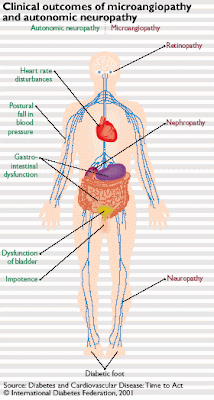
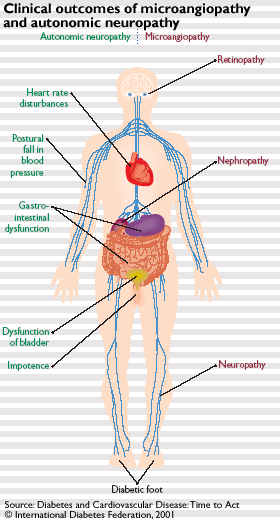
Autonomic neuropathy is a group of symptoms that occur when there is damage to nerves that regulate blood pressure, heart rate, bowel and bladder emptying, digestion, and other body functions.http://health.nytimes.com/health/guides/disease/autonomic-neuropathy/overview.html
Autonomic neuropathy is a form of peripheral neuropathy. It is a group of symptoms, not a specific disease. There are many causes.
Autonomic neuropathy involves damage to the nerves that run through a part of the peripheral nervous system. The peripheral nervous system includes the nerves used for communication to and from the brain and spinal cord (central nervous system) and all other parts of the body, including the internal organs, muscles, skin, and blood vessels.
Damage to the autonomic nerves affects the function of areas connected to the problem nerve. For example, damage to the nerves of the gastrointestinal tract makes it harder to move food during digestion (decreased gastric motility).
Autonomic neuropathy affects the nerves that regulate vital functions, including the heart muscle and smooth muscles.
Damage to the nerves supplying blood vessels causes problems with blood pressure and body temperature.
Autonomic neuropathy is associated with the following:
Alcoholic neuropathy
Diabetic neuropathy
Disorders involving scarring and hardening (sclerosis) tissues
Guillain Barre syndrome or other diseases that inflame nerves
HIV and AIDS
Inherited nerve disorders
Parkinson's disease
Surgery or injury involving the nerves
Use of anticholinergic medications
Symptoms vary depending on the nerve(s) affected. They usually develop gradually over years.
Symptoms may include:
Digestive tract
Constipation
Diarrhea
Feeling full after only a few bites (early satiety)
Nausea after eating
Swollen abdomen
Unintentional loss of more than 5% of body weight
Vomiting of undigested food
Heart
Blood pressure changes with position
Dizziness that occurs when standing up
Urinary tract
Difficulty beginning to urinate
Feeling of incomplete bladder emptying
Urinary incontinence (overflow incontinence)
Other symptoms
Abnormal sweating
Fainting
Heat intolerance, induced by exercise
Male impotence
A medical history and general physical exam are critical. A brain and nervous system (neurological) examination may show evidence of injury to other nerves. However, it is very difficult to directly test for autonomic nerve damage.
Signs of autonomic neuropathy include:
Abnormal sounds in the abdomen, indicating decreased gastric movement (motility)
Decrease of blood pressure upon standing up (postural hypotension)
Sluggish pupil reaction in the eye
Swollen (distended) abdomen
Swollen (distended) bladder
Occasionally, other symptoms may indicate a problem in the function of the autonomic nervous system, including:
Difficulty swallowing
Excessive sweating
Irregular heart rhythms
High blood pressure
Rapid or slow heart rate
Special measurements of sweating and heart rate are called "autonomic testing" and can assist in diagnosis and treatment.
Other tests include:
Measurement of blood pressure lying down, sitting, and standing
Measurement of changes in heart rate
Upper GI
Esophagogastroduodenoscopy (EGD)
Isotope study
Voiding cystourethrogram (VCUG) or other tests of bladder function
Other tests for autonomic neuropathy are based on the suspected cause of the disorder, as suggested by the history, symptoms, and the way symptoms developed.
Treatment is supportive and may need to be long-term. Several treatments may be attempted before a successful one is found.
Various strategies may be used to reduce symptoms in the feet, legs, and arms. These include:
Florinef and salt tablets to increase fluid volume in blood vessels
Fludrocortisone or similar medications to reduce postural hypotension
Medications to help with salt and fluid retention
Proamatine to prevent a drop in blood pressure when standing
Sleeping with the head raised
Use of elastic stockings
Treatments for reduced gastric motility include:
Medications that increase gastric motility (such as Reglan)
Sleeping with the head raised
Small, frequent meals
Diarrhea, constipation, bladder problems, and other symptoms are treated as appropriate. These symptoms may respond poorly to treatment. Drugs that block bladder contractions may be used to help with urinary control problems.
Phosphodiesterase type 5 (PDE-5) drugs, such as sildenafil (Viagra), vardenafil (Levitra), and tadalafil (Cialis) are safe and effective for treating impotence in patients with diabetes.
The outcome varies. If the cause can be found and treated, there is a chance that the nerves may repair or regenerate. The symptoms may improve with treatment, or they may continue or get worse, even with treatment.
Most symptoms of autonomic neuropathy are uncomfortable, but they are rarely life-threatening.
Thursday, 19 May 2011
Money, Money, Money!
It is forecast that the market dealing with neuropathic pain will be 5.2 billion dollars by 2018! This statistic comes from:
Research and Markets: Forecast Insight: Neuropathic Pain - Brighter Future for Pipeline Drugs with Market to Double in Value to $5.2 billion
(a press release from Datamonitor, dated Monday, February 15, 2010)
Research and Markets: Forecast Insight: Neuropathic Pain - Brighter Future for Pipeline Drugs with Market to Double in Value to $5.2 billion
(a press release from Datamonitor, dated Monday, February 15, 2010)
The neuropathic pain market is based on the seven major markets (US, Japan, and the five major European countries, France, Germany, Italy, Spain and the UK).
It is foreseen that the US will provide the greatest increase in 'consumption' over this period but both Japan and Europe will generate double-digit compound annual growth rates over the same timeframe!
The market seems to be booming and this suggests one of three things:
1) The number of patients identified as having neuropathic problems is increasing;
2) The disease itself is becoming more widespread; or
3) The pharmaceutical companies have sniffed out a new big thing and are preparing to cash in!
It could of course be a combination of all those things but as patients, we can only hope that it means that more money is being invested in research so that more effective treatments can be brought onto the market. After that, we have to hope that the insurance companies willingly certify the drugs so that they are available to all and the health professionals keep up the pressure.
It remains a partially 'hidden' disease despite the ever-increasing numbers of patients in all countries. It is, for HIV patients, somewhat fortunate then that this research and development growth is a by-product of the increase in numbers of diabetics in the western world, who then go on to develop neuropathy and by definition increase the need for effective treatment. We hang onto the coat tails so to speak but will benefit from the increased publicity given to neuropathy and thus the greater likelihood that new medications will arrive.
However, one thing is clear; it is a market economy and progress will be made only if the drug companies see a clear profit in it. The 100+ causes and myriad variations of neuropathy don't help - like anything in the 21st century, if it ain't cool, it ain't gonna happen! I wouldn't wish neuropathy on anyone but Bill Gates, if you're listening and if you ever have the misfortune to develop it...you are the greatest philanthropist of our age and a famous supporter of HIV related issues.
DR

Wednesday, 18 May 2011
Looking in the mirror
I think lots of us can identify with much of this post from PERIPHERAL NEUROPATHY NEWS – L A
A publication of the Neuropathy Support Group of Los Angeles
Vol. 10 April 2010

A publication of the Neuropathy Support Group of Los Angeles
Vol. 10 April 2010

The President’s Corner
It seemed to me that my 55-year-old daughter had been
growing. The past few years when I visit her in Arizona, she
seems to be my height, and I’ve been 5’5’’ all my life.
Wrong! My new doctor’s nurse measured me on my first
visit, and I’m now 5’2’’, my daughter’s height. I saw it with
my own eyes.
It’s not bad enough that I’ve shrunk; my feet are now 1½”
longer than they used to be.
All things considered though, I guess those are small
things to get upset about—that, along with a lot of other
minor irritations. Compare them to neuropathy.
With neuropathy, we hurt, drop and knock over things,
lose our balance and fall, feel drugged out on medications—
then we hurt and have withdrawal when we forget them.
Our toes and fingers tingle—then we burn them without
knowing it, or they’re freezing. That’s just to mention a few.
I guess and inch or two here or there (or everywhere) are
small potatoes. Probably, in the annals of time, so is
neuropathy. We can’t cure it or fix it any more than we can
grow taller or lose a few inches off our feet. But, damn it, it
hurts, it keeps us awake, and we’re afraid. But, sometimes I
think the worse part is that nobody besides people with
neuropathy understands all of that.
I have some confessions to make. What I’m about to say
is probably isolated to me, so don’t get your shorts in bunch,
this is me I’m talking about. But, I confess that I’ve been
known to dwell on my condition; I’ve been short with people
because they don’t seem to be aware that I hurt; I’ve
refused help from friends and those close to me when they
have tried to be sensitive; I’ve worried at night about the
future—being alone, not being able to drive, you name it;
and the worst of all, I’ve exaggerated sometimes to get
sympathy.
What do I say to myself? What can I say? I say, “Don’t do
that.” And guess what? It works! USUALLY.
Hey, good news—I’ve got it! I just figured something out!
I didn’t really shrink 3’’, 1½ of those inches just went south
(among other things) and made my feet longer. Boy, I’m
glad to at least have that settled.
I’m still working on where the other 1½ inches are that
I’m still missing! More than you really want to know? I
promise, I won’t bring it up again…..Velda
Tuesday, 17 May 2011
High triglycerides increase risk of neuropathy for patients with HIV

Firstly you'll need to ask your doctor for the Triglyceride results in your last blood tests (they'll sit amongst the cholesterol values) and secondly, you'll need a simple explanation of what Triglycerides are.
Triglycerides refer to deposits of fat that are stored throughout your body. Your body takes the carbohydrates you ingest and converts them into glucose, which consequently is utilized as cellular energy. When your cells receive enough glucose and can take no more, the remainder of the glucose is taken to the liver, and there it gets converted into glycogen. This substance gets stored in the muscles, which can act as an important energy source. However, when your muscles reach their maximum capacity for glycogen, the remainder returns to the liver again, and then proceeds to be converted into triglycerides. These are then stored as fat, usually in specific areas in your body, where your body has chosen to store it.
The extra triglycerides, which may not always be stored as fat, may actually stay in the blood stream, which can cause some serious complications for your health. High triglycertides levels can make your blood thicker, which will make it sludgy. This increases the chances of clotting or blockages, which could cause a heart attack or a stroke, if it gets out of control. What is not stored as fat can remain in the blood stream, and this can create complications. This article from www.aidsmap.com explains the relationship between triglycerides, HIV and neuropathy.
High triglycerides increase risk of neuropathy for patients with HIV
Michael Carter
Published: 14 December 2010
HIV-positive patients with high triglycerides have an increased risk of neuropathy, according to US research published in the online edition of AIDS. The association between triglyceride levels and neuropathy was independent of any other risk factor.
“Since triglyceride levels were identified as a major risk for HIV-sensory neuropathy, interventions leading to reduction of triglyceride levels could reduce incidence of HIV-sensory neuropathy, a possibility that should be explored in future studies,” write the investigators.
Damage to the nerves responsible for sensation – sensory neuropathy – is common in patients with HIV. It can be an extremely painful and debilitating condition that mainly affects the feet and lower legs.
Before effective antiretroviral therapy became available, neuropathy was associated with a low CD4 cell count and a high viral load. Neuropathy has also been associated with treatment with some older anti-HIV drugs (especially d4T, ddC and ddI), as well as statins and life-style factors such as alcohol consumption.
Research involving patients with diabetes has established a relationship between high triglycerides and sensory neuropathy. A large number of patients with HIV have elevated triglycerides, due either to HIV infection or particular antiretroviral drugs. Therefore investigators from the HIV Neurobehavioral Research Center in San Diego wished to see if high triglycerides were associated with neuropathy in patients with HIV.
Their study was single centre and had a cross-sectional design. The participants were 436 HIV-positive individuals and 55 HIV-negative controls. All were seen between January 2000 and December 2009.
Most (86%) of the HIV-positive patients were men and their average age was 47 years. Three-quarters were taking antiretroviral therapy and had an undetectable viral load. Their current median CD4 cell count was 458 cells/mm3.
Mean triglyceride levels were significantly higher in the patients with HIV than the HIV-negative controls (245 mg/dl vs. 160 mg/dl, p < 0.001) Individuals with HIV were also significantly more likely than individuals who were HIV-negative to have signs of sensory neuropathy (27% vs. 10%). Factors associated with neuropathy in patients with HIV included older age (p < 0.001), increased height (p < 0.001), a lower nadir CD4 cell count (p < 0.002), type 2 diabetes (p < 0.01), treatment with a protease inhibitor (p < 0.02), and use of statins (p < 0.01). Surprisingly, treatment with “d” drugs (d4T, ddC, ddI) was not associated with neuropathy. Further analysis identified an independent relationship between high triglycerides and neuropathy. On the basis of their triglycerides, the patients were divided three groups: low (144 patients, below 141 mg/dl), medium (145 patients, 142-243 mg/dl), and high (145 patients, above 243 mg/dl). Patients with the highest triglycerides were almost three-times more likely than those with the lowest triglyceride measurements to have sensory neuropathy (OR, 2.6; 95% CI, 1.2-5.8). “After adjusting for concomitant clinical and demographic factors related to HIV-sensory neuropathy, the association of HIV-sensory neuropathy with triglyceride levels persisted,” the researchers emphasise. It is thought that neuropathy is caused by damage to mitochondria. The investigators suggest, “high triglyceride levels might lead to alteration in mitochondrial energy metabolism and membrane permeability.” They conclude, “these findings illustrate the pathogenic complexity of HIV-sensory neuropathy to which not only HIV infection, but also its treatment, is a major contributor.” Routine HIV care should include regular monitoring of lipid levels, and treatment of high triglycerides could not only reduce the risk of cardiovascular disease, but also help avoid neuropathy.
Monday, 16 May 2011
Peripheral Neuropathy DVD
It's 42 minutes long (I know, I know...life's too short...)but from my experience, there is no better explanatory video concerning neuropathy. Grab a cup of coffee (or something healthier...or stronger), make yourself comfortable and listen to this guy - it's worth the effort. Yes, he's selling the services they offer but after 35 minutes, you can switch off if you're not interested in his clinic - the information before that is totally unbiased and valuable in itself.(For people with limited English; he speaks very clearly, simply and slowly - hopefully you will understand most of it)
Sunday, 15 May 2011
Is HIV always the big bad wolf?
This is part of an article by Bradford McIntyre on the site http://www.hivaidspositivestories.com and raises an important question for all people with HIV. Is the blame for every disease or complaint that you get, transferred onto HIV and if so, is that really the case? It's certainly easy for health professionals to blame HIV and/or the HIV medication for your neuropathy but the fact is that there are about 100 possible causes for neuropathy (see elsewhere here on the blog). It makes you think!


So much fear has been created around HIV infection and AIDS. The camouflage uniforms worn in the army, disguise and hide, so not to draw attention, able to blend in. The fear associated with HIV/AIDS has kept us in the dark, many fear losing their family. friends, home and job, causing people to hide the fact they have been infected with the HIV virus. So no one can see, hear, or know the truths of those living with HIV and AIDS. Most often when individuals die from HIV related illness or AIDS, the funeral announcements rarely say HIV/AIDS was the cause, but use cancer, heart disease or any other camouflage.
How can we tell the real number of HIV related deaths? How can the public know and understand HIV/AIDS, without the truth? Individuals dealing with HIV and all those around them who are affected but not infected, they know these truths!
Science, pharmaceutical companies, the medical profession and government, have all but ignored much of what many people living with HIV/AIDS have to say, which is a major contribution in the understanding of this virus. Science and the medical profession provide HIV/AIDS information to the media. The media takes this information and in so doing, does it without a real balance of understanding. Unfortunately the fear has undermined our understanding. We see people dying, and certainly in many parts of the world there is malnutrition, lack of medical attention and affordable pharmaceutical resources, causing countless deaths. We see the fear associated with sex and the need for safe sex practices! We hear about the deaths.
We hear about drug cocktails, medications being approved. We see people taking a handful of pills. We hear about the resistance to drugs, and we visually, through the media, see those sick with wasting syndrome, PCP pneumonia, kaposi's sarcoma , or crippled by neuropathy.
What is alarming about this situation is the medical profession holds the HIV virus responsible for any and all illness when a patient is diagnosed infected with HIV, using the excuse that a condition is HIV related. It is because of this rampant over diagnosis that little or no search is undertaken for what is causing the health problem. Many have died, many suffered greatly due to mis-diagnosis or no diagnosis. Other diseases occur, and with a condition in progress or out of control and very little attention given it, this allows for many suffering and dying. Not from HIV, but from an invasion of bacteria, fungi, viruses and cancers, unaware to those not looking.
We don't see individuals living a happy and full life, whether it be with or without drug treatments. And we don't see it because the fear has people afraid to talk about HIV/AIDS or disclose they have been infected. So we don't have people coming forward to tell their side of HIV/AIDS. How are we going to get people to come forward when the stigma attached to HIV/AIDS has created so much fear. People are hiding their HIV infection! This is likened to the early days of cancer, hiding the fact, only whispering the C word! Everyone who develops cancer does not die, it makes no sense to believe everyone who is infected with HIV will get sick or die either! We don't see those who get sick but benefit from the drugs and have their health restored, many returning to the work force. We don't see or hear about individuals who test positive for HIV or have AIDS, in relationships, falling in love. We don't see the many relationships where one partner is infected and one is not, and the partner who is negative, is not infected.
The public needs to understand HIV and let go of the fear, each person taking part in a global prevention strategy. These days pharmaceutical resistance is evident, with HIV, not only is a person infected with a strain or possible multiple strains, but along with it, comes the possibility of resistance to all the drugs the infected individual has taken.
We don't know how each person will react to HIV infection. We need to put money back into wellness!
We must not wane from our efforts in safe sex education, prevention, and research. Never was it more important to keep up our efforts, creating less toxic and affordable drugs, and providing proper health care including alternative therapies and supplements.
With proper awareness and education, we can go about living our lives responsibly, " showing up for life", without fear. Not afraid of talking about HIV/AIDS or conversations about safe sex.
Letting go of the fear, we can all talk to our family and friends and co-workers we discuss our personal lives with. Our employer can know health related information. And, if need be, we can ask for help and receive help! We can also eliminate false perceptions and judgments due to shear ignorance. There is more power in people knowing the truth, than there ever was in the fear and hiding! A shift in perception is nothing short of a Miracle!
by Bradford McIntyre
http://www.positivelypositive.ca
Friday, 13 May 2011
This response comes from a forum on Aidsmeds.com and is for those of you facing our old friend, the stony-faced doctor who's had a long day! Stand your ground and use this. It certainly makes the point! Thanks Mr. Moffie(and thanks too to J.R.E. from Florida who sent me this response).

Tim had written this some time ago:
From Tim (moffie) :
In the past, many of us were placed on the "d" drugs, or ddi, ddc, and d4t. I was on all three for some time, I think about three years. I spent most of 1997 and 8 making sure that the Lazy Boy Recliner didn't move. Being a person of some considerable acitivity, I found this time to be one of pure torture. I was also dealing with the after effects of two bouts of PCP, so the time was a blur in my memory for the most part, due to the fact that the high fevers, 104 -105, left my brain pretty blank about that period of time.
What follows is a paper that I wrote for those of you who suffer from PN, to hand to your medical professional, when you tell them about the joys of PN, and they shrug their shoulders and say that people with Diabetes have been suffering from PN for ever, so get used to it.
Blow Torch, Vice-Grip, Live Socket With Bare Wires, Punch, Hammer, Light Bulb, Carpenter's Saw
Medical Professional:
What follows are instructions for you to do to simulate the true pain and discomfort that is present with HIV related Peripheral Neuropathy. This author does not know the difference or similarity of Diabetes related PN, but when I comment about the severe pain that I suffer on a twenty four hour basis, I am always put off with the instruction that people with Diabetes have been suffering with this forever, so don't complain about it!
You might be wondering what the list of common household objects are doing at the top of this document. These will have to be gathered, and used for you to experience the true joy of what you are about to embark on.
First off, take the blowtorch, with a full tank, light it and place it in such a way that the intense heat of the flame covers the bulk of the bottoms of both feet. If no blowtorch is available, sitting on a tall stool and placing your feet over the stove will work as well. Now you are experiencing the "constant fire" of PN. Wait a minute, why are you moving your feet?, you must leave thiem over the heat until you are crazy with the pain, and for the rest of this exercise.
Now you are set for the next step. Take the vice-grip, and place it firmly locked on one of your large toe joints. Make sure to place it under such pressure that the pain brings tears to your eyes. Without removing the vise-grip, and making sure to leave your feet over the heat, have someone else place the elcetric cord (wires exposed) into the wall outlet, and then at random have them touch your skin with the exposed wires, ever-so-lightly, anywhere from the tip of your toes up to your knees. Meanwhile, pick up the hand saw and start dragging it between your toes (any of them will do), remember to do this activity very slowly and with determination to acieve the maximum effect from the teeth of the saw. Pick a toenail, and place the punch just under the nail and then use the hammer to tap the punch into your toe to about halfway up the nail. Now you can remove the punch. It is now time for a break, so you can remove your feet from the heat source, and remove all the tools. Carefully break the light bulb into your shoes, and remove the metal socket and throw it in the trash. Make sure all the glass is still inside your shoes, put them on and wear them for the rest of the day. For the maximum effect, the glass should be emptied into your socks for a really accurate simulation. By the way, you are late for that meeting you are scheduled for and nobody is going to give you a chair, except that wonderful elderly lady from the mail room. What do you do?Huh Take the chair, or go ahead and be polite and stand for the next hour. Aren't you glad that you don't have to choose, because this has only been and exercise? Those of us, who have no choice, live on and handle the pain as well as we can.
In the future, when one of your clients speaks to you of their pain, PLEASE remember this exercise, and do not try to diminish their agony. Do not suggest that they walk five miles (or even five yards) a day for the good of their heart. with the pain that comes with Peripheral Neuropathy, a really good and final heart attack could be a true relief.
One final note, this paper does not cover the pain that also migrates to your hands. The same intensity and disabling effect happens, which makes life increasingly difficult for those affected. Just remember, try to be kind.

Quite a long time ago, Tim
( Moffie) who has since passed on , wrote this paper. I'd like to repost it, for those that have HIV related neuropathy, and seem to be dismissed by their doctor.
Tim had written this some time ago:
From Tim (moffie) :
In the past, many of us were placed on the "d" drugs, or ddi, ddc, and d4t. I was on all three for some time, I think about three years. I spent most of 1997 and 8 making sure that the Lazy Boy Recliner didn't move. Being a person of some considerable acitivity, I found this time to be one of pure torture. I was also dealing with the after effects of two bouts of PCP, so the time was a blur in my memory for the most part, due to the fact that the high fevers, 104 -105, left my brain pretty blank about that period of time.
What follows is a paper that I wrote for those of you who suffer from PN, to hand to your medical professional, when you tell them about the joys of PN, and they shrug their shoulders and say that people with Diabetes have been suffering from PN for ever, so get used to it.
Blow Torch, Vice-Grip, Live Socket With Bare Wires, Punch, Hammer, Light Bulb, Carpenter's Saw
Medical Professional:
What follows are instructions for you to do to simulate the true pain and discomfort that is present with HIV related Peripheral Neuropathy. This author does not know the difference or similarity of Diabetes related PN, but when I comment about the severe pain that I suffer on a twenty four hour basis, I am always put off with the instruction that people with Diabetes have been suffering with this forever, so don't complain about it!
You might be wondering what the list of common household objects are doing at the top of this document. These will have to be gathered, and used for you to experience the true joy of what you are about to embark on.
First off, take the blowtorch, with a full tank, light it and place it in such a way that the intense heat of the flame covers the bulk of the bottoms of both feet. If no blowtorch is available, sitting on a tall stool and placing your feet over the stove will work as well. Now you are experiencing the "constant fire" of PN. Wait a minute, why are you moving your feet?, you must leave thiem over the heat until you are crazy with the pain, and for the rest of this exercise.
Now you are set for the next step. Take the vice-grip, and place it firmly locked on one of your large toe joints. Make sure to place it under such pressure that the pain brings tears to your eyes. Without removing the vise-grip, and making sure to leave your feet over the heat, have someone else place the elcetric cord (wires exposed) into the wall outlet, and then at random have them touch your skin with the exposed wires, ever-so-lightly, anywhere from the tip of your toes up to your knees. Meanwhile, pick up the hand saw and start dragging it between your toes (any of them will do), remember to do this activity very slowly and with determination to acieve the maximum effect from the teeth of the saw. Pick a toenail, and place the punch just under the nail and then use the hammer to tap the punch into your toe to about halfway up the nail. Now you can remove the punch. It is now time for a break, so you can remove your feet from the heat source, and remove all the tools. Carefully break the light bulb into your shoes, and remove the metal socket and throw it in the trash. Make sure all the glass is still inside your shoes, put them on and wear them for the rest of the day. For the maximum effect, the glass should be emptied into your socks for a really accurate simulation. By the way, you are late for that meeting you are scheduled for and nobody is going to give you a chair, except that wonderful elderly lady from the mail room. What do you do?Huh Take the chair, or go ahead and be polite and stand for the next hour. Aren't you glad that you don't have to choose, because this has only been and exercise? Those of us, who have no choice, live on and handle the pain as well as we can.
In the future, when one of your clients speaks to you of their pain, PLEASE remember this exercise, and do not try to diminish their agony. Do not suggest that they walk five miles (or even five yards) a day for the good of their heart. with the pain that comes with Peripheral Neuropathy, a really good and final heart attack could be a true relief.
One final note, this paper does not cover the pain that also migrates to your hands. The same intensity and disabling effect happens, which makes life increasingly difficult for those affected. Just remember, try to be kind.
Magnet therapy
CBS News segment featuring the benefits doctors have found by the use of biaxial magnetic field health products. The video talks about diabetics with neuropathy but in this case, the treatment applies to all. If you listen to what this guy says, the logic seems inescapable and of course, if it works...why not! Now the problem is finding where you can receive such treatment!
Wednesday, 11 May 2011
Will it go away...ever?
From Dr Spitz at the Foot Pain Center. It's the question we all want answered but may not be happy with what we hear. If it's true what he says, learning to deal with neuropathy is of vital importance and that requires a huge mental adjustment for people who are used to taking a pill to cure what's wrong with them. Your ideas and tips for not letting neuropathy dominate your life please! They will help someone, somewhere!


Will my neuropathy pain and numbness ever go away completely?http://www.footpaincenter.info/will-my-neuropathy-pain-and-numbness-ever-go-away-completely
The question reminds us of one who asks the “magic eight ball” a question-something like-will I ever become rich? The answer is usually vague-something like-“it’s a possibility.” In answering the question-can my neuropathy ever be cured-I also have to give a vague answer….”it’s possible, but not likely.” In rare instances, neuropathy can be reversed. In some instances when a specific nerve is injured, it can regenerate slowly. For example, in my 36 years of practicing podiatry in Orange County, Ca, I have seen neuropathy from nerve injury from surgery or trauma completely resolve. Nerve entrapments (nerves that bound in scar tissue) such as carpal or tarsal tunnel syndrome are often “treatable” by physical therapy, custom-fitting wrist or ankle braces, or surgery. Still in other cases, when a patient develops medication-induces neuropathy, especially from chemotherapy, complete reversal of symptoms may occur.
These examples are very rare. In actuality, in most instances neuropathy cannot be cured. From a positive perspective, new treatments make neuropathy more tolerable and livable. Diabetes, a major cause of neuropathy, can be better controlled with oral and insulin medications. There is also greater availability and effectiveness of oral and topical medications that can relief neuropathy symptoms of pain, numbness, tingling and burning of the feet. New light therapies including infrared and cold laser, has been shown to be effective in reducing the discomfort of neuropathy. Finally, the medical community has a greater appreciation, knowledge and acceptance of nutritional supplements as a means to control symptoms and slow the progression of the condition.
Tuesday, 10 May 2011
Tonic Water 2

This is an addendum to the Tonic water/Quinine post of Monday, 9th May. I've investigated drinking tonic water to help with neuropathy pain a bit further and for the HIV patient it's very important to check the Quinine in tonic water against the meds you are taking - there can be contra-indications! (That goes for all supplements and alternative medications as well - the last thing you want to do is put your HIV treatment in jeopardy) A very good drugs comparison and check site is:
http://www.drugs.com/drug_interactions.php
Qutenza/Capsaicin turn up the heat
I've used Capsaicin myself, with some success (I think). The trouble is that the cream is horrible if you get it in your eyes, mouth or on an open wound. The patches are a much better idea because you can localise the application much more accurately but they're not approved here in Holland! I personally was never sure if the pain caused by the cream was not almost as bad as the neuropathy pain but it did seem to ease over time. I don't use it any more because the rubber gloves and stained socks (or floor) were just more trouble than they're worth. Has anyone else had good or bad experiences?
(This article is from Aidsmeds.com (great site for general information and useful forums)

(This article is from Aidsmeds.com (great site for general information and useful forums)

March 28, 2011
Pooled Trial Results Suggest Capsaicin Patch Relieves Neuropathy Pain
The pooled results of two clinical trials suggest that a skin patch with the chili pepper–derived chemical capsaicin could relieve HIV-related neuropathy pain by about 30 percent. These trial results, presented at the annual meeting of the American Academy of Pain Medicine (AAPM), were reported by the website Medpage Today.
Chili peppers and mustards have been used for centuries in topical balms to treat chronic pain. Only during the past few decades, however, have scientists figured out how capsaicin—the chemical that gives chilies their pungency—works as an analgesic: It depletes a neurochemical called substance P responsible for transmitting pain.
NeurogesX, based in San Mateo, California, has spent several years testing capsaicin in skin patches to treat a variety of chronic pain conditions. The company now has a skin patch made up of a gel containing 8 percent capsaicin, called Qutenza, which is approved by the U.S. Food and Drug Administration (FDA) to treat pain from shingles and from diabetic neuropathy. Qutenza is applied for one hour in a single application, and the pain-relief lasts for about three months.
NeurogesX has also conducted trials of Qutenza to treat HIV-related distal sensory polyneuropathy (neuropathy), a condition marked by nerve damage, which can cause pain, tingling and numbness in the extremities and sometimes lead to permanent disability.
“To date, medications used to treat neuropathic pain have yielded disappointing results in large randomized controlled studies among HIV-associated neuropathy,” Steven Brown, MD, from the AIDS Research Alliance in Los Angeles, told Medpage Today.
Brown, who presented the results of the two trials at the AAPM conference, also noted: “The only substances that have shown any impact on the pain appear to be the [Qutenza] patch, smoked cannabis and recombinant human nerve growth factor, but none of these treatments has yet been approved by the FDA for that use.”
Two clinical trials of Qutenza for HIV-related neuropathy conducted before 2008 had mixed results, with one showing improvements in neuropathy pain and another finding that Qutenza wasn’t significantly better than a gel patch containing a miniscule amount of capsaicin. A 2009 article in Wired magazine detailed how the placebo effect—whereby patients’ symptoms can significantly improve just by thinking they are getting a real medicine, even if they receive only a sugar pill—is particularly strong in trials of pain medication. This means that a medicine often has to be quite potent to show a statistical difference.
At the recent AAPM conference, Brown presented data on an analysis that pooled the results of two newer studies. The studies compared 239 people who received a single application of Qutenza (8 percent capsaicin) with 99 people who received a single application of a control patch containing only 0.04 percent capsaicin.
Brown and his colleagues found that those receiving Qutenza had a 27 percent decrease in their neuropathy pain compared with a 15.7 percent decrease in those who received the control patch. The improvement was highly statistically significant, meaning that the difference between Qutenza and the control was too large to have occurred by chance.
What’s more, when Brown’s team looked at those who received a higher degree of pain relief—a 30 percent or more reduction in pain scores—36 percent of those on Qutenza saw this higher level of relief compared with 22 percent on the active control.
The three-month improvement in neuropathy pain doesn’t come without side effects, however. David Walk, MD, of the University of Minnesota in Minneapolis, who has used Qutenza for non-HIV pain care, told Medpage Today, “This treatment can be painful. Even with the lidocaine that is delivered before the patch is applied, patients report some pain associated with the patch for as long as a week afterward, so we usually send them home with analgesia to cover that period.”
NeurogesX reports on its web site that it is still working to seek FDA approval for Qutenza for HIV-related neuropathy.
Subscribe to:
Posts (Atom)